E-mail
agarino3@aol.com
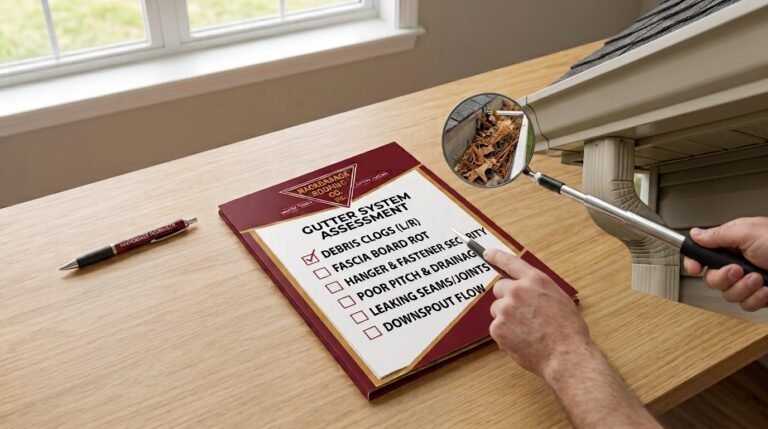
Home maintenance often overlooks gutters until a heavy downpour causes a basement leak or damages siding. However, your gutter system is one of your roof’s most important partners. Well-maintained gutters collect rainwater and direct it safely away from your home to help protect your foundation, siding, landscaping, and roof structure from serious water damage. This simple guide to gutter maintenance and repairs can help you decide the proper course of action for your situation.
Neglecting your gutters can lead to costly repairs down the road. Stay proactive with routine maintenance and timely repairs to keep your system functioning properly year-round.
The Hidden Costs of Clogged and Damaged Gutters
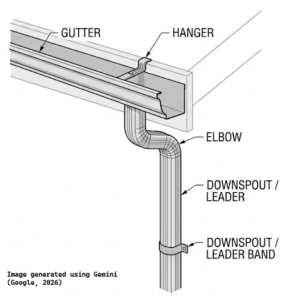
Gutters accumulate leaves, twigs, pine needles, and airborne debris over time. When water cannot flow freely through downspouts, it seeks alternative routes, creating serious structural risks:
Seasonal Gutter Maintenance Essentials
Your gutter maintenance will vary based on the environment. If you have trees above or around your roof, plan to inspect and clean your gutters at least twice a year, typically in late spring and late autumn. If your roof is free from tree and leaf debris, it is recommended to inspect your gutters annually. Aside from standard inspections, if your gutters are overflowing or there is a noticeable issue with the water flow, the issue should be addressed as soon as possible.
When to Repair vs. Replace Your Gutters
Not every gutter issue requires a complete system overhaul. Minor problems can often be fixed quickly by a professional:
Consider Contacting a Professional
Contact a professional roofing and gutter contractor to evaluate your roof’s drainage needs, fix pitching issues, and make recommendations tailored to the trees around your property. Hackensack Roofing Company offers maintenance and repair services to keep water flowing and draining properly.
Protecting your roof starts with protecting your drainage. A Hackensack Roofing Company specialist can provide an honest assessment and provide a free estimate if repairs or replacements are recommended. Schedule a professional inspection today to ensure your gutters are ready for the next storm.