E-mail
agarino3@aol.com
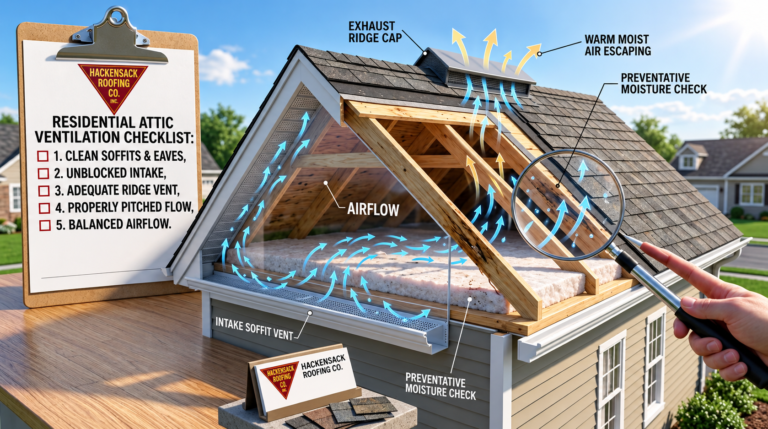
When homeowners think about roofing, shingles and gutters usually get all the attention. However, proper attic ventilation is a critical factor in extending your roof’s lifespan and keeping your home comfortable.
Attic ventilation works by creating continuous, balanced airflow. Intake vents (typically installed under the soffits or eaves) draw cool, fresh air in, while exhaust vents (located along the ridge or upper roofline) let hot, moist air escape. Without this constant air exchange, trapped heat and moisture can quietly wreak havoc on your roof structure, energy bills, and living environment.
Maintaining adequate attic airflow is crucial year-round and should not be overlooked.
1. Prevents Summer Heat Buildup
During hot summer months, sun beating down on your roof shingles can heat trapped attic air up to 150 degrees or higher.
When hot air gets trapped in an unventilated attic, it acts like a massive radiator sitting directly above your living space. This heat bakes your ceiling, forcing your air conditioning system to run constantly to maintain comfortable indoor temperatures. Adequate airflow allows this intense heat to escape, reducing cooling costs and relieving stress on your HVAC system.
Furthermore, excessive heat bakes asphalt shingles from the underside, causing them to dry out, warp, lose protective granules, and age prematurely.
2. Stops Winter Moisture and Mold Growth
Attic ventilation is just as important in freezing temperatures as it is in the heat of summer. Everyday household activities, such as cooking, showering, washing dishes, and using clothes dryers, generate warm water vapor that naturally rises into the attic.
If your attic lacks proper airflow, this warm, humid air meets the cold underside of your roof deck and condenses into liquid water. Over time, persistent moisture leads to:
3. Prevents Costly Ice Dams
In colder climates, poor attic airflow is the leading cause of damaging ice dams.
When warm, trapped air heats the upper sections of the roof deck, it melts snow on the shingles. The melted water trickles down to the colder, unheated eaves (edges) of the roof, where it refreezes into a ridge of ice. As ice builds up, trapped water backs up underneath your shingles, seeping through the roof deck and into your interior walls and ceilings.
A well-ventilated attic keeps the entire roof surface at a uniform temperature, preventing the melt-freeze cycle that creates ice dams.
Protect Your Roof From the Inside Out
The experts at Hackensack Roofing Company understand the need for proper attic ventilation and are prepared to assist with your home. A healthy roof system relies on continuous airflow on the inside.
High energy bills, extreme attic temperatures during the summer, or unusually warm temperatures in the winter, may be indicative of airflow restrictions. One of our professional roofers at Hackensack Roofing Company can evaluate the intake and exhaust venting, clear blocked soffits, and ensure your home stays protected for years to come.